Introduction
Forensic glass analysis is a vital component of criminal investigations, particularly in cases involving break-ins, vehicular accidents, or violent crimes. Accurately determining the elemental composition of glass fragments can provide crucial evidence linking suspects to crime scenes. The EDAX® Orbis™ II micro x-ray fluorescence (micro-XRF) system offers a high-precision, non-destructive solution for elemental analysis, effectively addressing common challenges encountered in forensic applications.
Analytical technique: Micro-XRF
Micro-XRF is a non-destructive analytical technique that enables precise elemental characterization of small sample areas. In forensic glass analysis, it is used to measure peak intensity ratios of various elements, which helps in distinguishing between different glass sources. Commonly used elemental ratios include Ca/Mg, Ca/Ti, Ca/Fe, Sr/Zr, Fe/Zr, and Ca/K.
These ratios have proven effective in discriminating between different sources of soda-lime glass, supporting forensic experts in matching fragments to their origins with high confidence.
Challenges in forensic glass analysis
Traditional micro-XRF systems often face geometric limitations due to angled x-ray optics (typically 45 – 50°), which can result in beam obstruction by adjacent materials and misalignment errors due to sample height variations or optical axis offset (Figure 1b). These issues are particularly problematic when analyzing small or irregularly shaped glass fragments, where precision targeting is essential for avoiding misidentification.
Solution: Accurate targeting with Orbis II
The Orbis II micro-XRF system overcomes these limitations through its patented orbital turret, which enables a coaxial, perpendicular x-ray geometry. This innovative design ensures that the x-ray beam is precisely aligned with the high magnification optical view, allowing for accurate and repeatable targeting of the region of interest (Figure 1a).
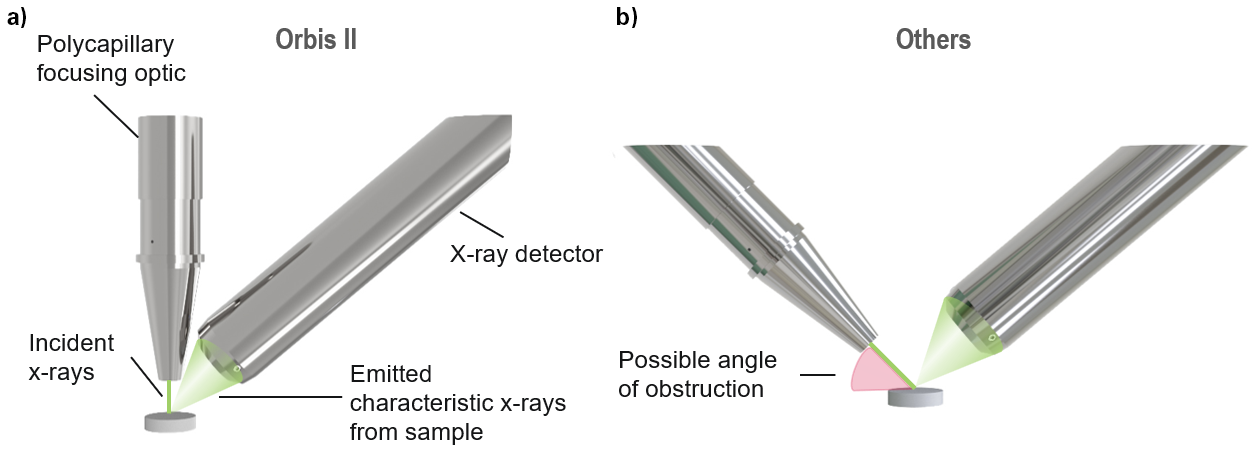
Figure 1. a) The Orbis II geometry and b) a traditional systems’ geometry.
To demonstrate the forensic glass analysis workflow, a simulated sample consisting of small and irregular glass fragments from two distinct sources, clear and amber glass (Figure 2), was analyzed using Orbis II. Ten measurement points were collected from each glass type. The resulting elemental intensity ratio graphs showed clear separation between the two sources. For each ratio, the data ranges for amber and clear glass did not overlap, confirming that the fragments were distinguishable and not from the same source (Figure 3).
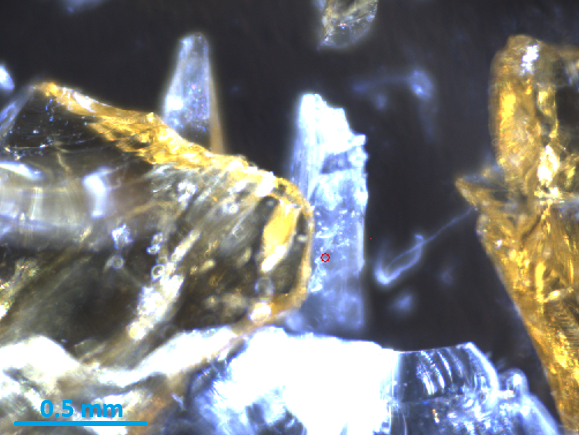
Figure 2. Simulated sample consisting of clear and amber glass
fragments.
A critical challenge arose when a relatively large amber glass fragment blocked the angled x-ray path to a test region on a clear glass fragment (highlighted in red in Figure 2). Traditional systems would likely have produced inaccurate results due to this interference. However, Orbis II successfully targeted the intended clear glass region using its perpendicular and coaxial geometry. The resulting spectrum matched the expected elemental profile of the clear glass. This was confirmed by the elemental intensity ratio graphs (Figure 3), where the test region’s data consistently overlapped with the range of the clear glass and showed no intersection with the range of the amber glass, demonstrating that the correct region was identified and analyzed without interference.
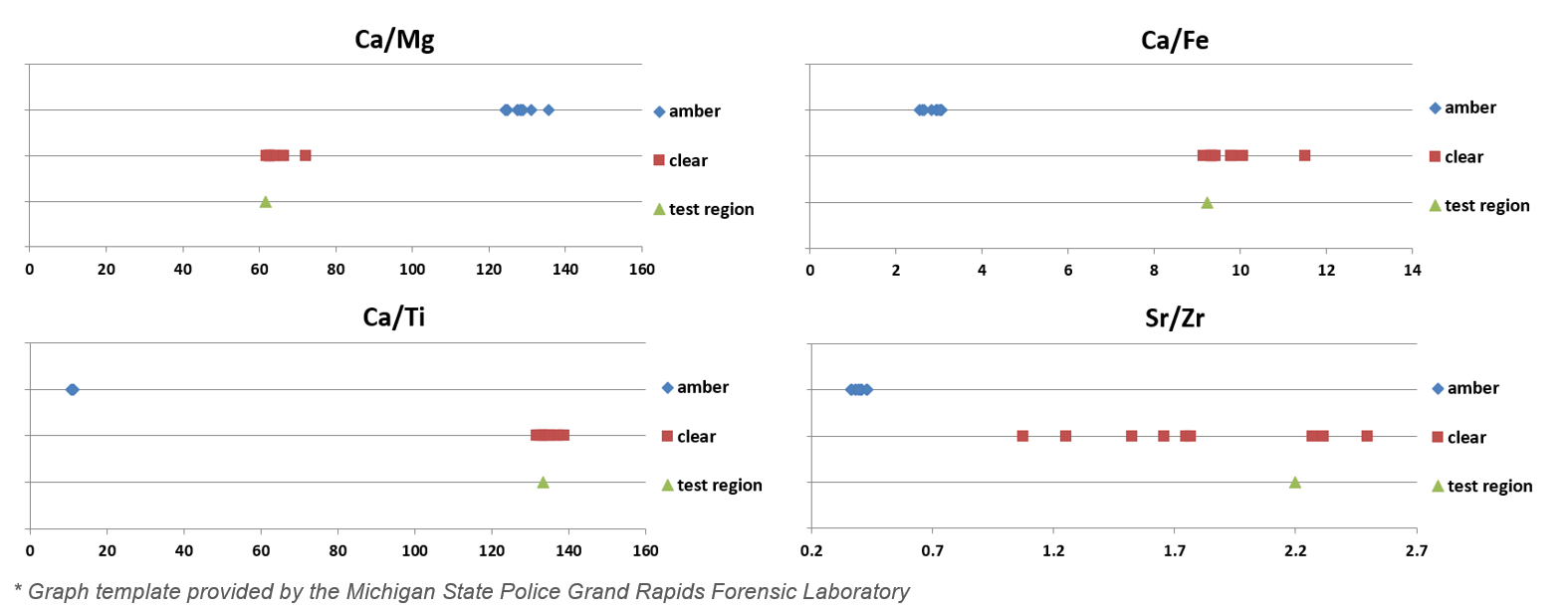
Figure 3. Peak intensity ratios of selected elements.
Conclusion
The EDAX Orbis II micro-XRF system sets a new benchmark in forensic glass analysis. Its advanced optical alignment, precise targeting capabilities, and robust design eliminate common sources of error, ensuring reliable and reproducible elemental data. For forensic laboratories tasked with analyzing complex or minute glass samples, Orbis II provides the accuracy and confidence needed to support critical investigations.
Reference
[1] ASTM International. (2017). Standard test method for forensic comparison of glass using micro X-ray fluorescence spectrometry (ASTM E2926-17). ASTM International. https://doi.org/10.1520/E2926-17.