Dr. Sophie Yan, Application Manager, Gatan
For years, scientists have grappled with the challenge of detecting light elements using energy dispersive x-ray spectroscopy (EDS). Now, Gatan has released a major breakthrough: a windowless EDS detector featuring an ultra-large area 160 mm2 chip—a game-change in the world of materials analysis.
Why light elements are so hard to detect
Light elements like boron and carbon emit low-energy x-rays that are easily absorbed by the vacuum window of a traditional detector. Over the years, EDS technology has evolved from using beryllium to polymer to silicon nitride windows, each improving transmission of low-energy signals. When EDAX introduced silicon nitride window EDS detectors a decade ago, it pushed the detection limit of low-energy x-rays to the Al L line (73 eV) —a significant leap—however, absorption in the window remained considerable, up to 90% for boron.
The ultimate goal has always been to detect extremely low-energy x-rays efficiently. And now, with the EDAX Octane Elite Ultra EDS system, that goal has been realized.
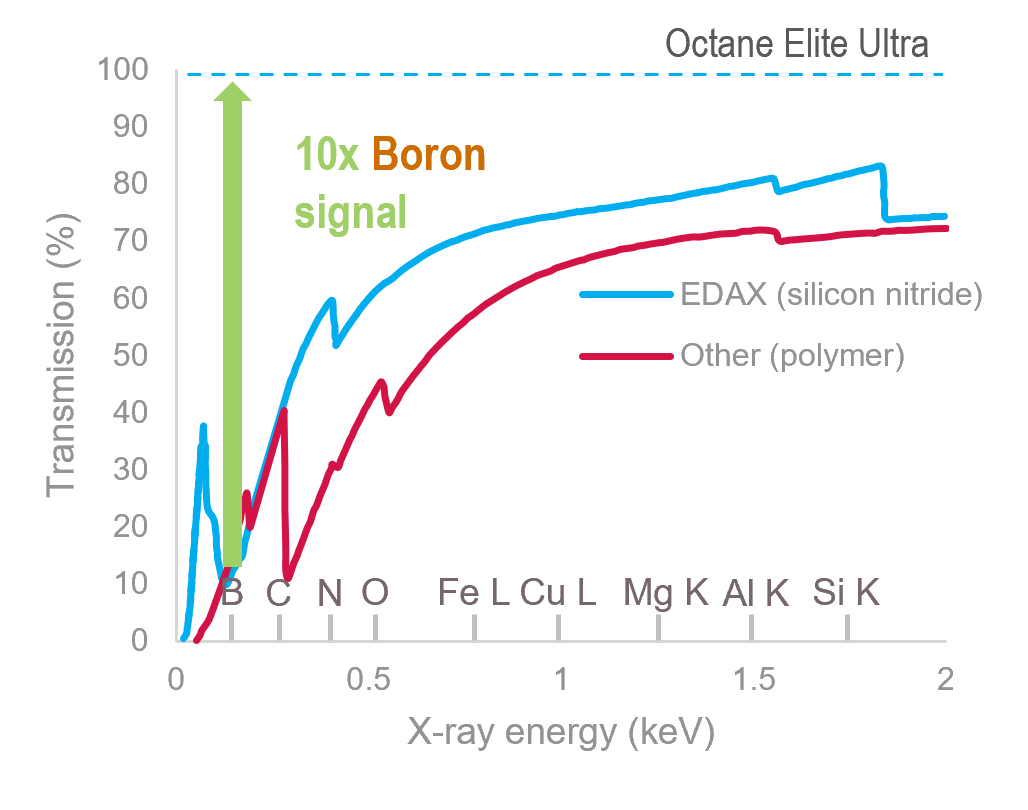
Figure 1. Transmission of window materials.
Putting the detector to the test
Compared with previous window detectors, the windowless detector imposes no block on x-rays, maximizing the detection of the signals, as shown in Figure 1. Especially for boron, the detection efficiency has increased by more than ten times.
To evaluate its performance, I tested a high-entropy alloy sample containing boride inclusions —a notoriously difficult material to analyze due to the high absorption of boron’s characteristic x-ray (185 eV) in the detector window, not to mention re-absorption in the sample itself.
Using a Hitachi SU7000 SEM, I installed detector side-by-side to a large area traditional windowed detector so that I could get a direct comparison:
- EDAX Octane Elite Super (silicon nitride window, 70 mm2)
- EDAX Octane Elite Ultra (windowless, 160 mm2)
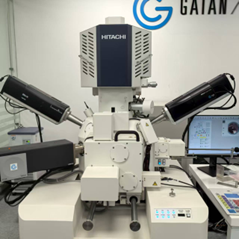
Figure 2. Octane Elite Super (left) and Octane Elite Ultra (right) were installed on SU7000, collecting simultaneously.
Both detectors ran under identical conditions. The results were striking:
- Octane Elite Ultra recorded nearly 3x the total count rate of the Octane Elite Super
- Boron detection improved dramatically, especially at lower accelerating voltages
Voltage matters: Unlocking boron detection
At 20 kV, most metal elements were detected easily, but boron remained elusive, as shown in Figure 3 (256 x 200, 200 µs).
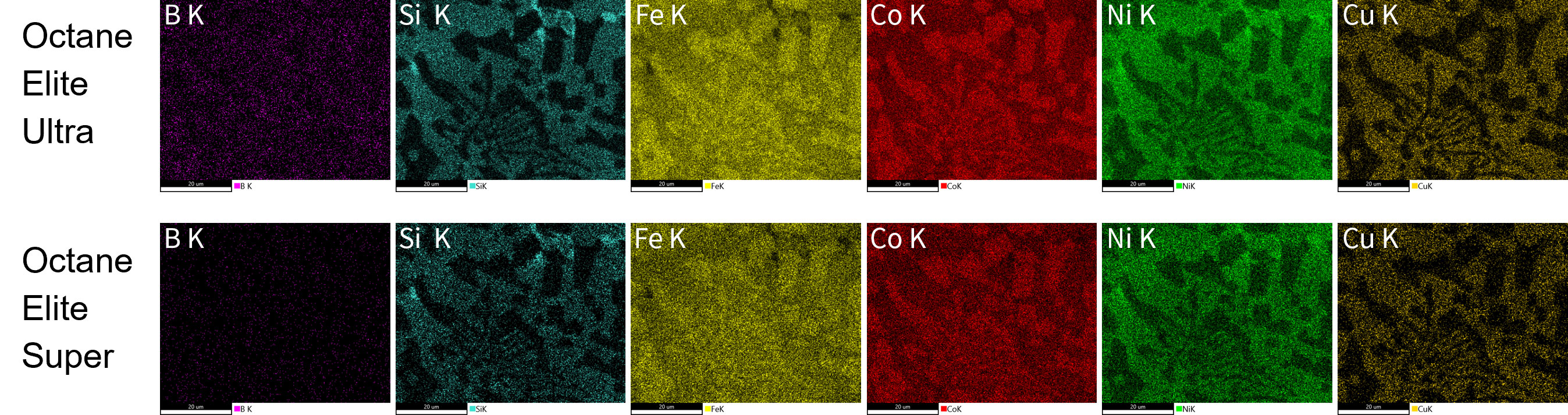
Figure 3. Element maps of a high-entropy alloy under 20 kV.
Gradually lowering the accelerating voltage revealed boron’s distribution more clearly. At 5 kV (Figure 4) , the boron maps started to become distinct. The signal-to-noise ratio of the boron map collected by the Octane Elite Ultra was >8x better than the Octane Elite Super detector.

Figure 4. Element maps of B under different voltages.
Under 5 kV, by adjusting various parameters, clear element maps can be obtained. Boron element maps collected at different frames are shown in Figure 5 (1024 x 800, 500 μs).

Figure 5. Element maps of B collected at 1, 2, 4, 8, and 16 frames, respectively.
Considering that the characteristic energy of boron is extremely low, it can be detected even as low as 3 kV (Figure 6). At 3 kV, the Octane Elite Ultra produced a boron map in just one frame—a feat the windowed detector could only match after extended acquisition.
This performance boost is not just incremental—it’s transformative.
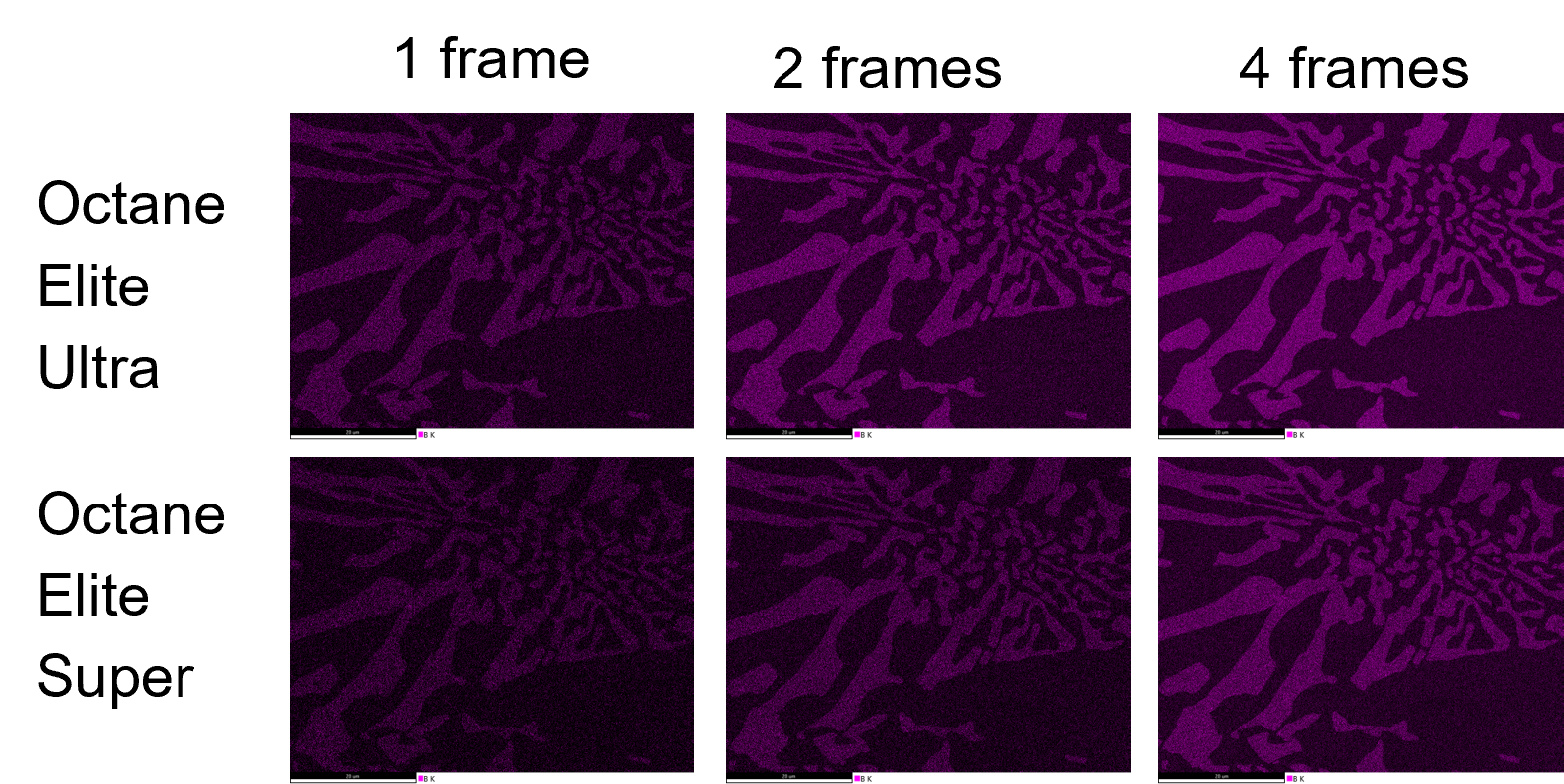
Figure 6. Element map of boron under 3 kV.
With extended acquisition time, the Octane Elite Super also obtains a clear boron map. The element maps of all elements at 3 kV are also shown in Figure 7 (1024 x 800, 500 μm, 4 frames, 28 min.).
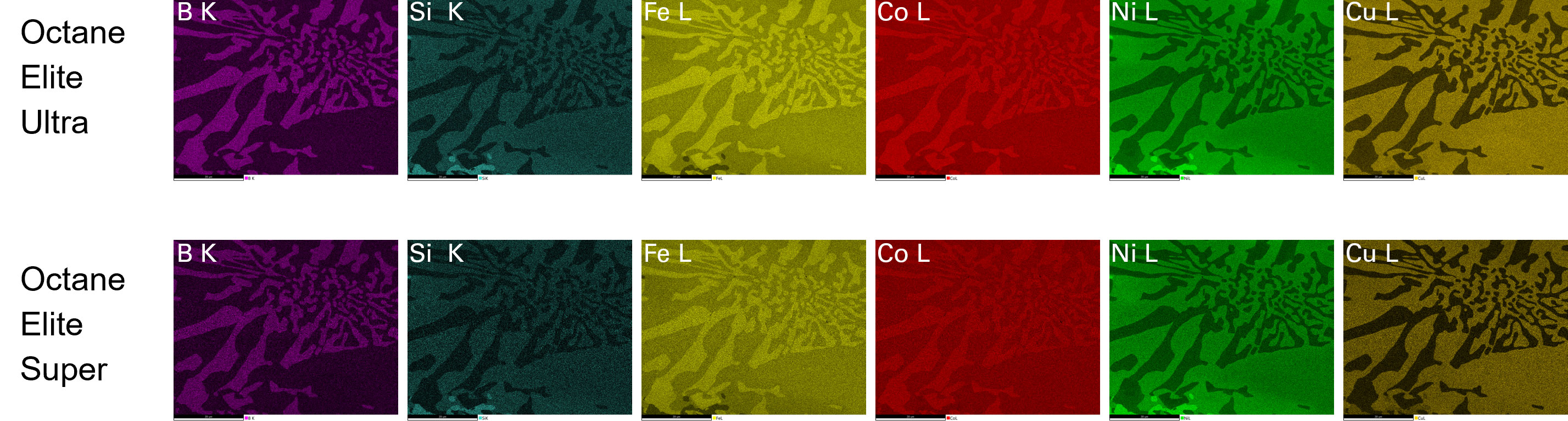
Figure 7. Element maps of elements under 3 kV.
Final thoughts
The Octane Elite Ultra isn’t just a new detector—it’s a leap forward in EDS technology. Its windowless design and large detection area dramatically enhance sensitivity to light elements, opening new possibilities in alloy analysis, semiconductor research, and beyond.
We’re excited to see how this innovation will reshape materials characterization in the years ahead.