Dr. Shangshang Mu, Application Engineer, Gatan
My journey in developing the EDAX Octane Elite Ultra windowless energy dispersive x-ray spectroscopy (EDS) detector has been both challenging and rewarding. When our marketing team first approached me with the idea of creating a robust, general-purpose detector, I was skeptical. The concept seemed ambitious, if not outright unreasonable. How could we ensure the reliability and durability of a windowless detector in a variety of applications, especially when installed on a standard scanning electron microscope (SEM) that vents to air frequently?
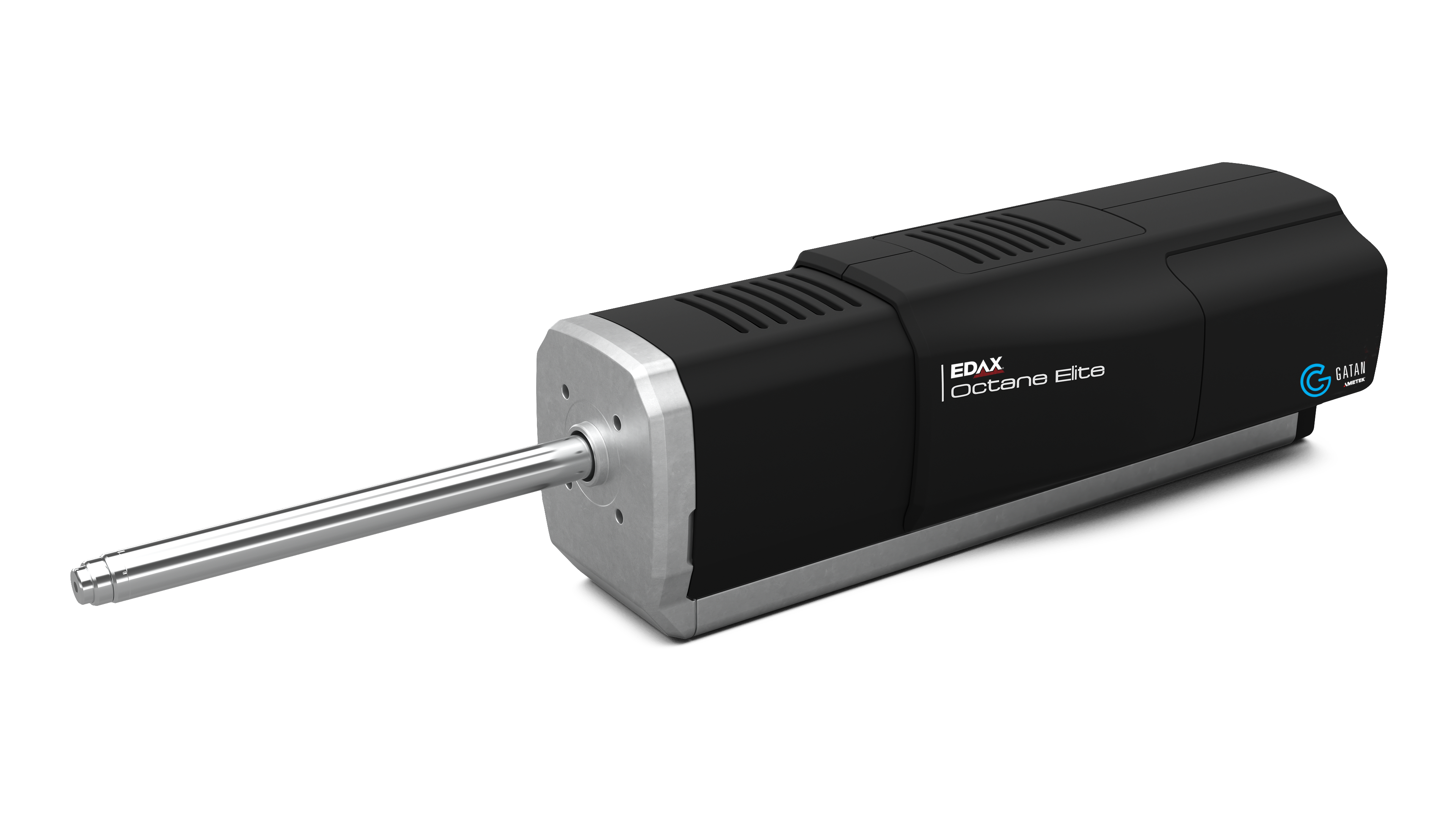
Figure 1. EDAX Octane Elite Ultra EDS system.
The challenge
The primary concern with a windowless EDS detector is its exposure to the environment. Unlike traditional detectors with protective windows, a windowless design is more susceptible to contamination and damage. Previous technologies I had experience with failed frequently with the most common mechanism being due to moisture condensing on the silicon drift detector (SDD) surface which, more often than not, lead to catastrophic damage. This made the task of developing a robust and reliable instrument seem daunting. The marketing team's request for a detector that could withstand daily use and frequent venting to air seemed like a tall order.
Extensive reliability testing
Despite my initial reservations, we set out to develop a new process for manufacturing SDDs that appeared promising! I then embarked on an extensive reliability testing program—subjecting the detector to rigorous evaluations, simulating the daily wear and tear it would experience in a typical laboratory setting. This included repeated venting to air, exposure to lots of different samples, x-ray doses and contaminants, and operation of the SEM at low vacuum conditions. All those early tests were very promising with no failures among all the modules I tested!
The turning point
The turning point came when I was asked to test a unit to destruction. I spent some time working out how to simulate a catastrophic vacuum failure of a SEM chamber (and overcome the interlocks and safety mechanisms I had built over the last 18 months) and set up a test. To my great surprise, the detector survived the catastrophic vacuum failure! I was even more amazed that, after re-pumping the SEM vacuum for about an hour, the EDAX Octane Elite Ultra turned on without issue and, what’s more, maintained its sensitivity and accuracy! After several attempts (failures) at destroying the unit in this manner, I left the detector in its operating condition on the benchtop at atmosphere without any interlocks. I saw the detector become covered in ice, looking like a golf ball.
But after warming it up and pumping for a few hours it became operational again and passed the test protocol! I repeated the benchtop test… 15 minutes. 30 minutes. An hour. Two hours. Only after leaving the detector at -35 °C on the benchtop for a whole day, did I finally manage to get the detector to fail! To my relief and pride, the reliability tests showed that the detector could handle the demands of a general-purpose instrument without compromising on performance.
Figure 2. This video demonstrates the robustness of the EDAX Octane Elite Ultra by exposing it to contamination by moisture. The system was re-installed on the microscope and left under vacuum for 24 hours. As you can see, the results from the analysis before and after the experiment are exactly the same, proving that the detector was unharmed.
A new era in EDS technology
This experience has convinced me that what once seemed unreasonable is now entirely possible. The EDAX Elite Ultra windowless EDS detector has proven to be a robust and versatile tool, capable of meeting the needs of various applications. It can be used in routine analysis, research, and even in challenging environments where traditional detectors might fail.
Conclusion
Developing the windowless EDS detector has been a journey of overcoming skepticism and pushing the boundaries of what is possible. Thanks to extensive reliability testing and real-world application, we now have a detector that meets the high standards set by our marketing team. This innovation marks a new era in EDS technology, offering a reliable and versatile solution for scientists and researchers worldwide.
I am proud to have been part of this groundbreaking development and look forward to seeing the impact it will have on the scientific community.